In this blog
- Why does a limited release need a different clean?
- Material diagnosis: what gets checked first
- How common collectible materials react
- Where mixed materials meet
- Is a sneaker deep clean ever the wrong choice?
- Dubai conditions that affect collectible pairs
- How to request a photo quote for a limited pair
- Frequently asked questions
- Related Save Our Shoes guides
Limited-Edition Sneaker Cleaning in Dubai: Why Material Diagnosis Matters
Limited edition sneaker cleaning Dubai starts with identifying every material on the pair—nubuck, metallic leather, icy soles, and printed panels—before any product touches it.
6 min read
Why does a limited release need a different clean?
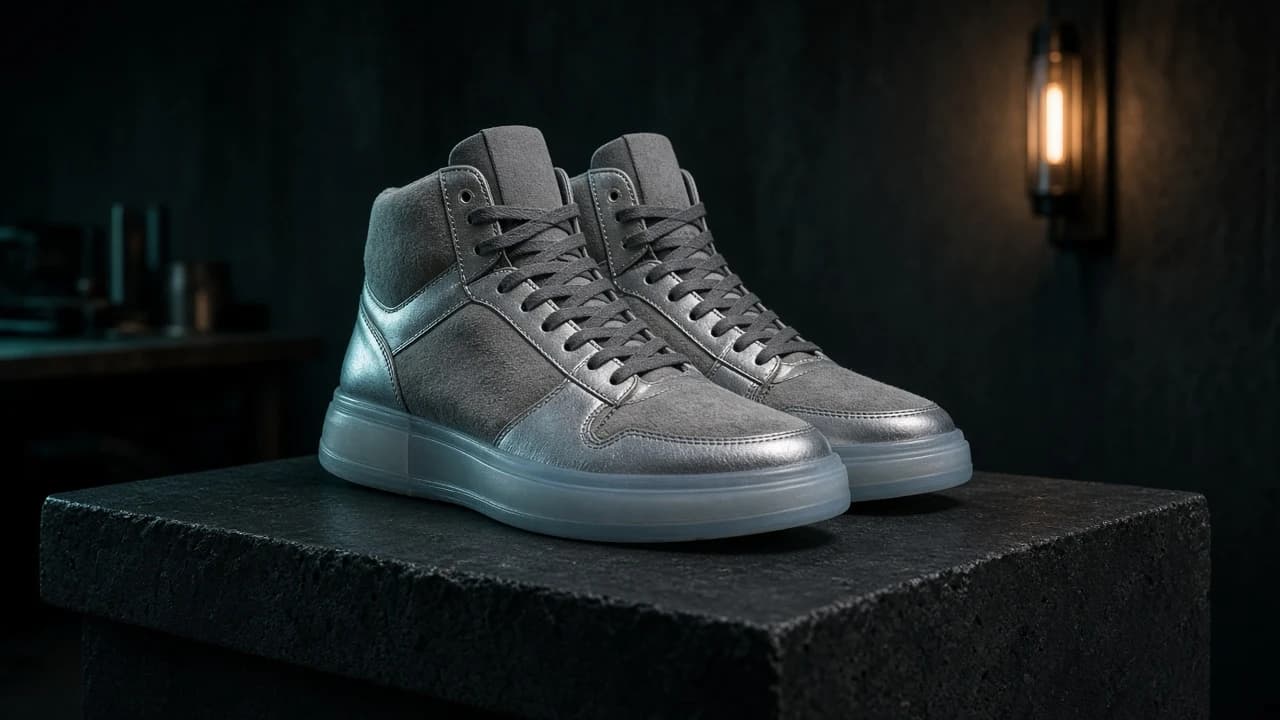
A general release is usually built from one or two well-understood materials. Limited and collaboration pairs are often where brands experiment—unusual suedes, foil or metallic leathers, hand-applied paint, reflective threads, and translucent rubber all on one upper.
That experimentation is what makes the pair special, and it is also what makes a routine clean risky. A foam that is safe on smooth leather can darken nubuck, lift a printed graphic, or leave a cloudy film on a glossy overlay.
Replacement is the other difference. If a regular trainer is damaged, you can buy it again. A numbered or regional release may be impossible to replace at any price, so the margin for error is close to zero.
Material diagnosis: what gets checked first
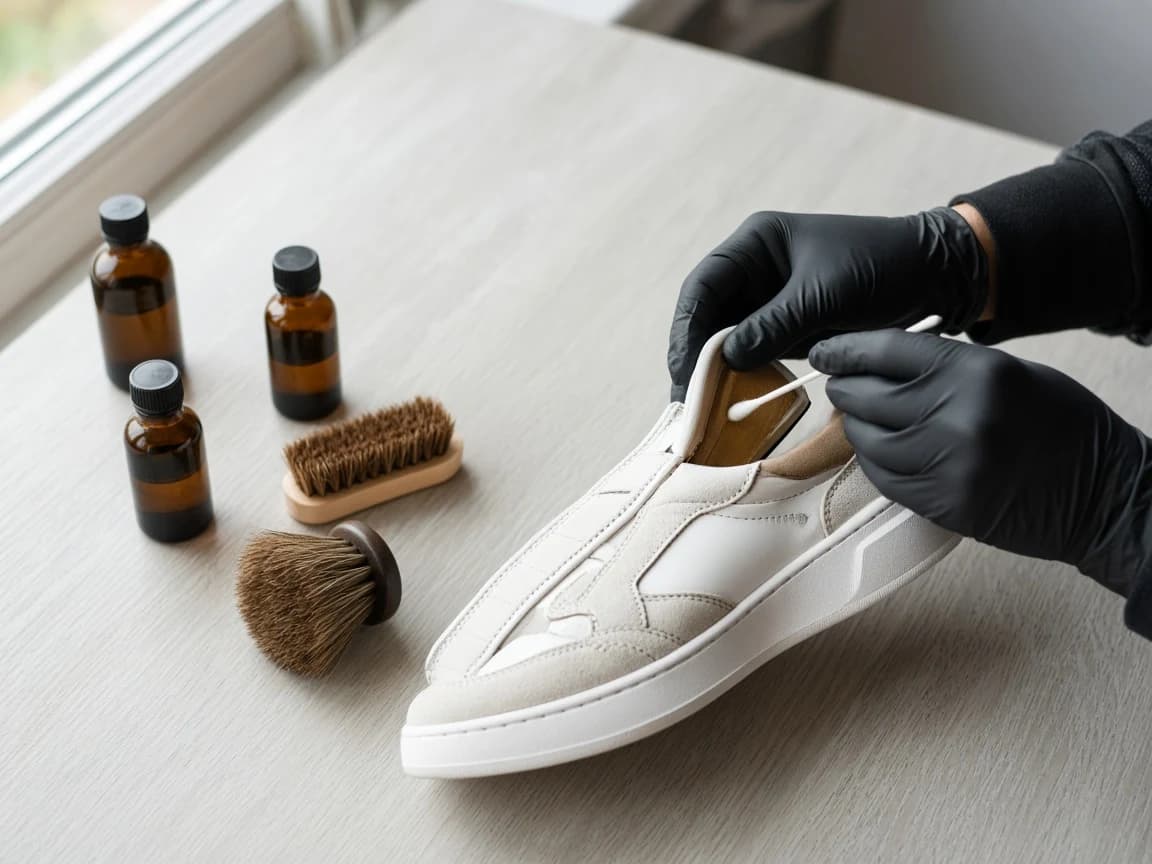
Diagnosis means naming every panel before deciding on any product. In the workshop, that starts with a slow look under good light, panel by panel, and a colourfastness test on a hidden area such as the inner heel or under the tongue.
The test shows whether dye or print moves on a damp swab. If colour transfers, that panel is handled dry or with a much gentler method. If it holds, a controlled clean can go further.
This is the core of professional sneaker cleaning Dubai for collectible pairs: the method is chosen per material, not per shoe.
How common collectible materials react
The table below is a general guide to how materials often found on limited releases behave. Every pair still needs its own check, because finishes vary between factories and production runs.
| Material | Main risk | Usual approach |
|---|---|---|
| Nubuck and suede | Water marks, flattened nap, darkening | Dry work first, minimal moisture, nap restored after |
| Metallic or foil leather | Finish lifting or dulling under rubbing | Soft contact, no abrasive pads |
| Patent overlays | Haze and fine scratches | Gentle wipe, no solvents that soften the coating |
| Printed or painted graphics | Print lifting or bleeding | Spot-tested first, often worked around |
| Icy or translucent soles | Yellowing from UV and oxidation | Surface clean only; deeper sole work assessed separately |
| Knit or mesh panels | Dye migration and fraying | Low-moisture, low-agitation cleaning |
Where mixed materials meet
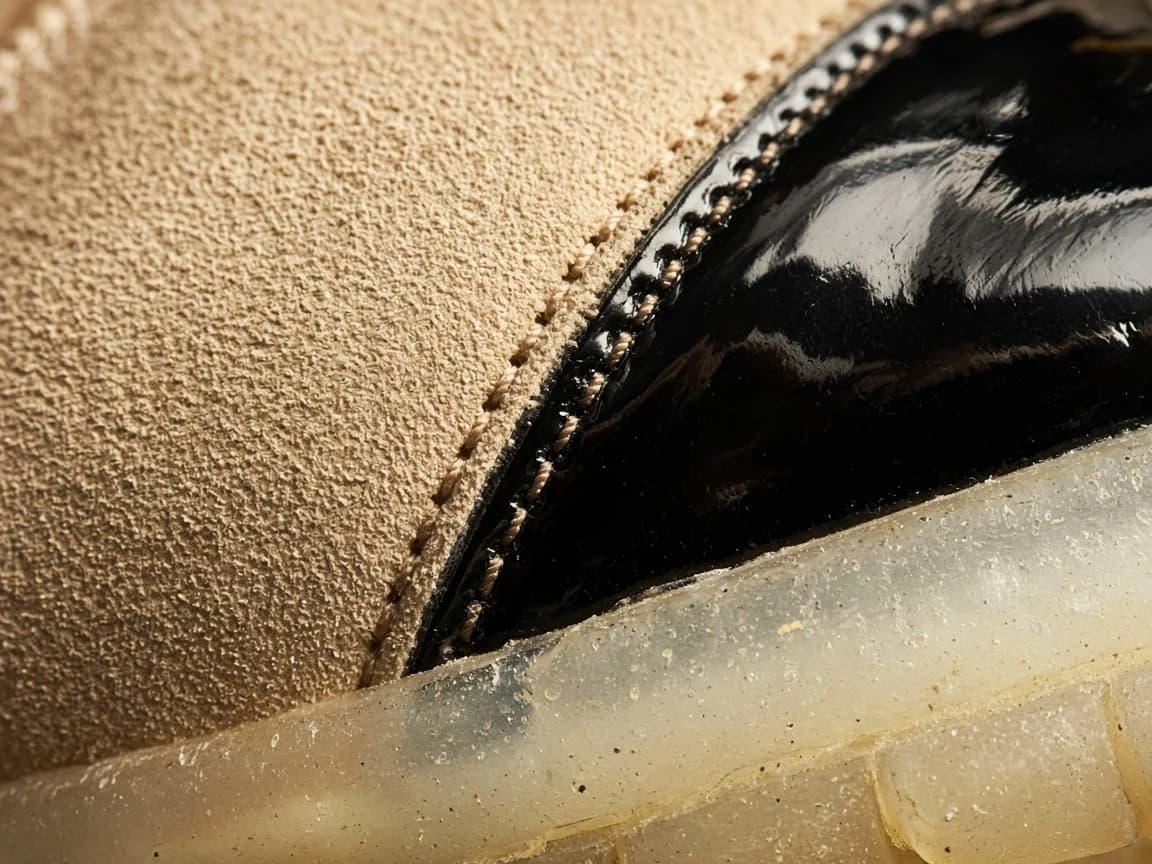
The riskiest areas on a limited pair are the seams where two materials meet. Moisture used on one panel wicks into the neighbouring one—water on a patent toe can creep into the suede beside it and leave a tide mark.
Translucent soles add another layer. Dust and sand sit in their texture, and yellowing that has started inside the rubber cannot be scrubbed out. Separating dirt from oxidation decides whether the sole needs a clean or a different treatment entirely.
If marks are already set, a guide to sneaker stain removal Dubai explains which stains are surface soil and which need workshop triage.
Is a sneaker deep clean ever the wrong choice?
Sometimes, yes. A sneaker deep clean Dubai owners book for everyday trainers can be too aggressive for an unworn or lightly worn collectible. If the pair only has light dust, a careful surface clean protects the factory finish better than a full wash.
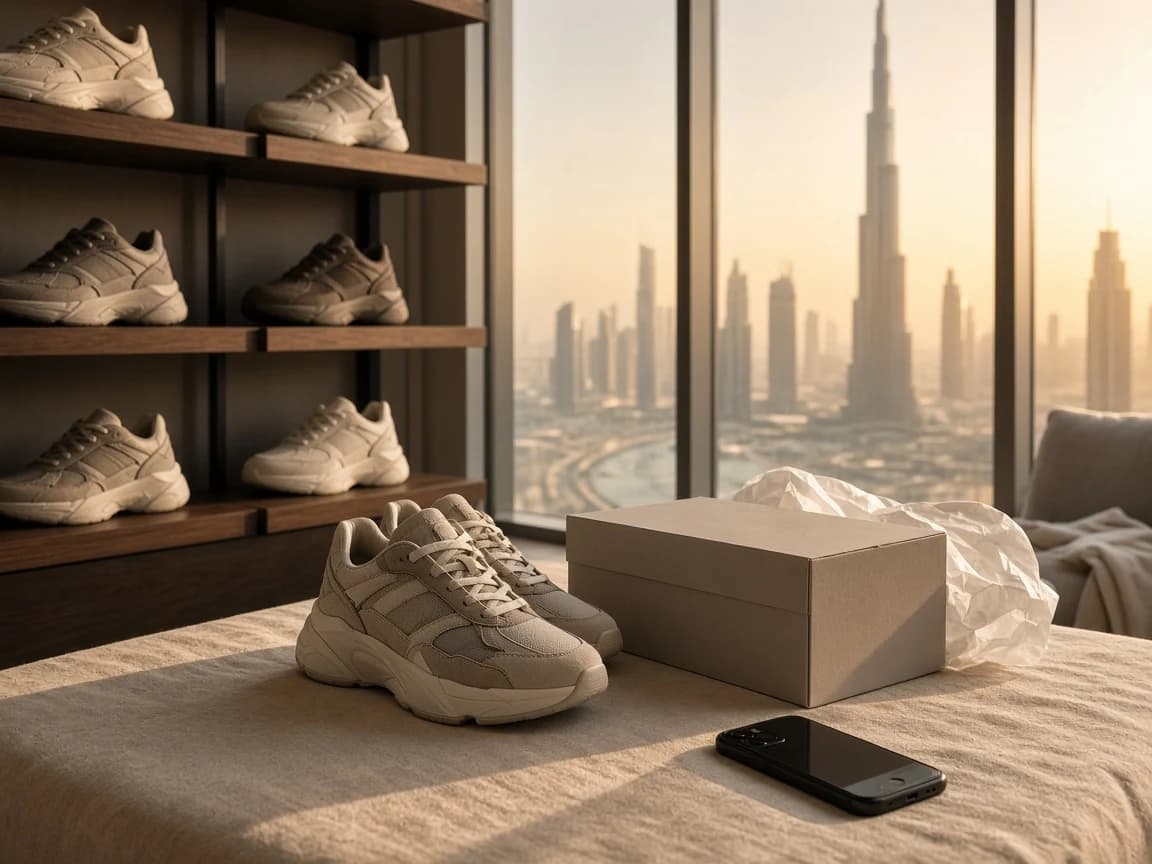
Original details also matter to collectors: factory glue marks, shoe-box tissue creases, and untouched insoles can be part of a pair's appeal. A good diagnosis notes what should be left alone, not just what can be cleaned.
Where the condition is beyond cleaning—cracked paint, worn suede, or deep sole oxidation—the conversation moves to restoration, which is a separate decision with its own risks.
Dubai conditions that affect collectible pairs
Fine sand and dust settle into nubuck nap and textured soles quickly, even on pairs that only leave the display shelf occasionally. Heat in a car boot can soften adhesives and set fresh marks before you get home.
Storage matters as much as cleaning. Displays near bright windows expose translucent soles to UV, and humid evenings after air-conditioned days can encourage odour and mould in closed boxes. Rotating pairs away from direct sun helps slow yellowing.
How to request a photo quote for a limited pair
Clear photos let the workshop start the diagnosis before the pair is collected. Include both shoes from the side, toe, heel, sole, and inside, plus close-ups of any marks, print, or panels you are worried about.
Mention the materials if you know them, how the pair has been stored, and any product you have already tried. That history changes which methods are safe.
Send the set through a WhatsApp photo quote, check the sneaker cleaning prices, and see designer sneaker results for examples of finished work. Our sneaker cleaning service Dubai pickup can collect the pair once the quote is approved.
FAQ
Frequently asked questions
Can limited-edition sneakers be cleaned without damaging them?
Most can be cleaned safely when each material is identified and tested first. Panels that fail a colourfastness test are cleaned dry or more gently, and some details may be left untouched to protect the original finish.
Should I deep clean an unworn collectible pair?
Usually not. Light dust on an unworn pair is better handled with a careful surface clean, which protects factory finishes and details that collectors value.
Can yellowed icy soles be cleaned back to clear?
Surface dirt can be removed, but yellowing caused by UV and oxidation sits inside the rubber and is not removed by cleaning. Send photos so the workshop can explain what is realistic for your pair.
What photos should I send for a quote?
Send daylight photos of both shoes from the side, toe, heel, sole, and inside, plus close-ups of marks or delicate panels. Mention the materials and anything you have already tried.